Natural Bag Materials Compared: Bamboo, Cotton, Raffia, Straw & Willow
If you want a handwoven bag that still looks beautiful three summers from now, material choice matters more than any other factor. Bamboo and willow are stiff and structured; cotton and raffia are soft and flexible; straw is light and breathable. Each rewards a different buyer, and the best choice depends on how you actually carry a bag. This guide compares the most common natural-fiber materials across the qualities that decide a bag's real lifespan.
Why material matters more than style
Woven bags are bought on looks but lived in on material. A straw bag and a bamboo tote may share a silhouette, yet one can survive a decade of summers and the other may crack by season two if it gets damp. Because handwoven natural-fiber bags are repaired by artisans, not machines, the fiber you choose determines how many years you get per dollar and how forgiving the bag is of real life. The material also decides how the bag ages: bamboo develops a warm patina, rattan softens into its shape, and straw can become brittle if neglected. Understanding these aging patterns before you buy saves you from the disappointment of a bag that looked perfect online but fell apart in practice.
Cotton and macrame: soft and versatile
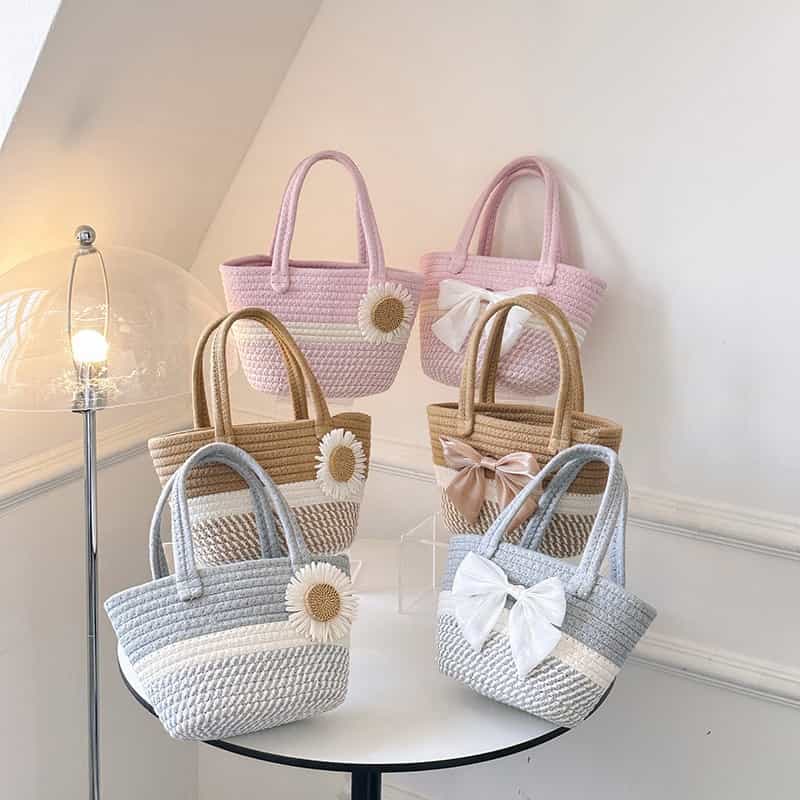
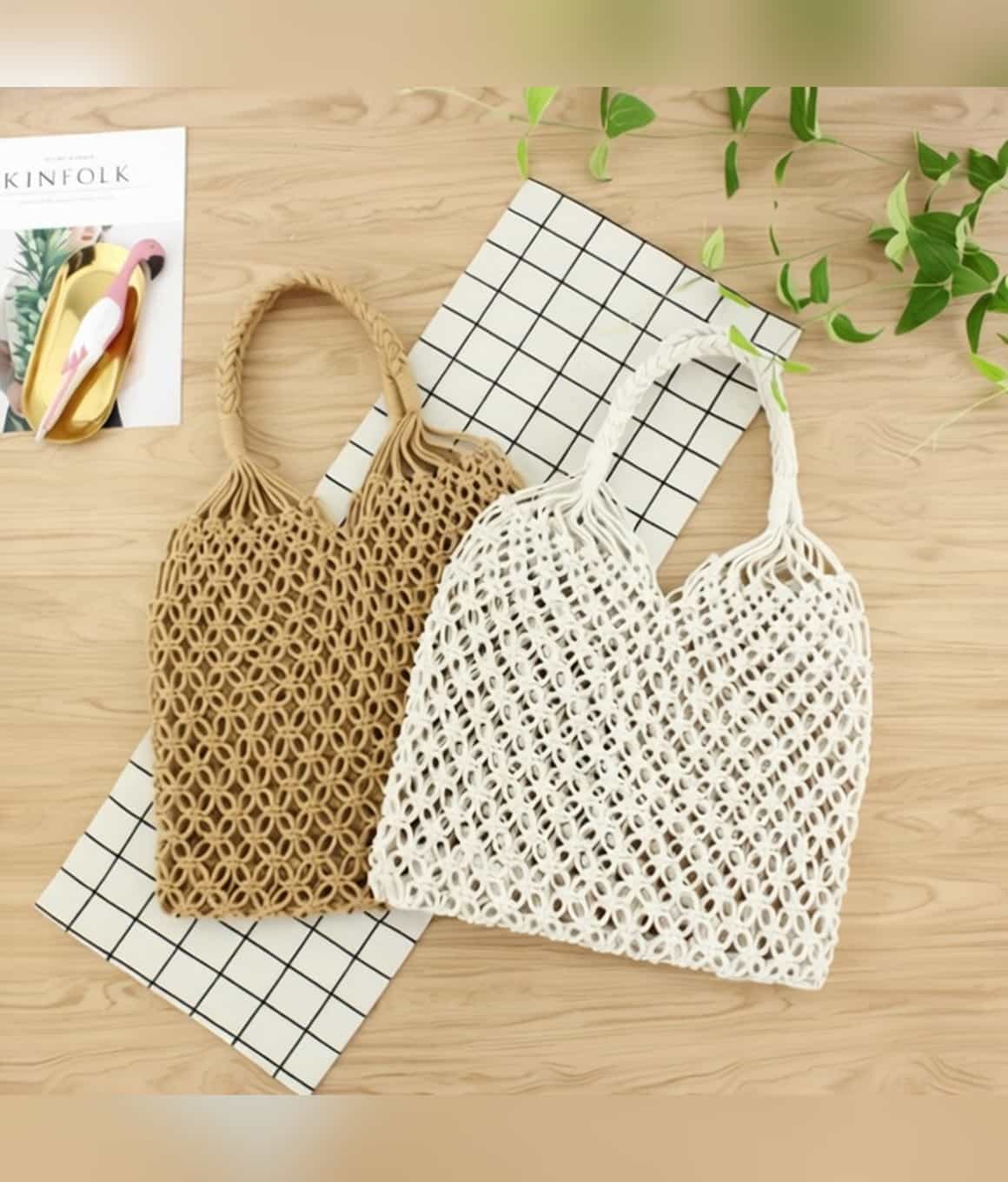
Cotton cord and macrame bags have surged in popularity, and for good reason. The hand-crocheted or knotted construction creates a soft, flexible bag that molds to your body and feels effortless to carry. Cotton is also the most forgiving material when it comes to care — most cotton bags can be spot-cleaned with a damp cloth, and the material does not crack or splinter the way harder fibers can.
- Durability: Good. Cotton is soft but strong, and the knotted construction distributes stress evenly.
- Moisture: Better than straw; cotton absorbs water but dries without distortion.
- Weight: Light to medium, depending on cord thickness.
- Care: Spot clean with a damp cloth. Do not machine wash. Air dry away from direct heat.
Cotton bags are the most versatile year-round option. A macrame phone bag works in summer with a sundress and in winter with a coat, making it the material of choice for buyers who want one bag for every season. The hand-knotted texture also photographs beautifully, which is why cotton bags dominate social media feeds.
Bamboo: structured and durable
Bamboo is a grass, not a wood, and that biology gives it impressive strength. Its hollow culms are built from densely packed fibers that make it one of the strongest natural materials by weight. In a handwoven bamboo bag you feel this immediately: the weave holds its shape, the frame resists crushing, and the surface does not fuzz the way softer fibers do.
- Durability: Excellent. A well-made woven bamboo bag keeps its structure for years of regular use.
- Moisture: Naturally water-resistant on the surface, but not waterproof. Rain is survivable in small doses if the bag is dried properly.
- Weight: Heavier than straw, which gives it a premium, structured feel.
- Care: A soft brush and dry storage keep it looking new. See our full bamboo bag care guide.
Bamboo also ages beautifully. The natural surface warms from pale straw to a richer honey tone over time, and the weave tightens slightly with use, making the bag feel more yours with every season. Unlike synthetic materials that peel and crack, bamboo's aging process is a feature, not a flaw. For everyday carry that needs to handle a commute, a market run, and a weekend trip, a woven bamboo tote is the most reliable choice.
Rattan: flexible and forgiving
Rattan comes from climbing palm vines and is the material most people picture when they say wicker. Because rattan is a vine, it is naturally flexible, which makes it wonderful for curved shapes like rounded handbags and bucket silhouettes. That flexibility also means rattan absorbs impacts without cracking, making it a practical everyday choice.
- Durability: Very good. Softer than bamboo but more shock-absorbent.
- Moisture: Should be kept dry; prolonged dampness can darken or soften the fiber.
- Weight: Light and springy.
- Care: Similar to bamboo; wipe clean and store in a dry, ventilated spot.
Rattan's flexibility makes it the ideal material for bags that need to flex with your body: a crossbody bag that swings as you walk, or a bucket bag that compresses under a car seat and bounces back. Rattan also takes natural dyes well, so it comes in a wider range of tones than bamboo, from deep espresso to warm sand. The trade-off is that rattan is slightly less rigid than bamboo, so it is not the best choice for bags that need to stand upright on their own under heavy load.
Straw: the most delicate natural option
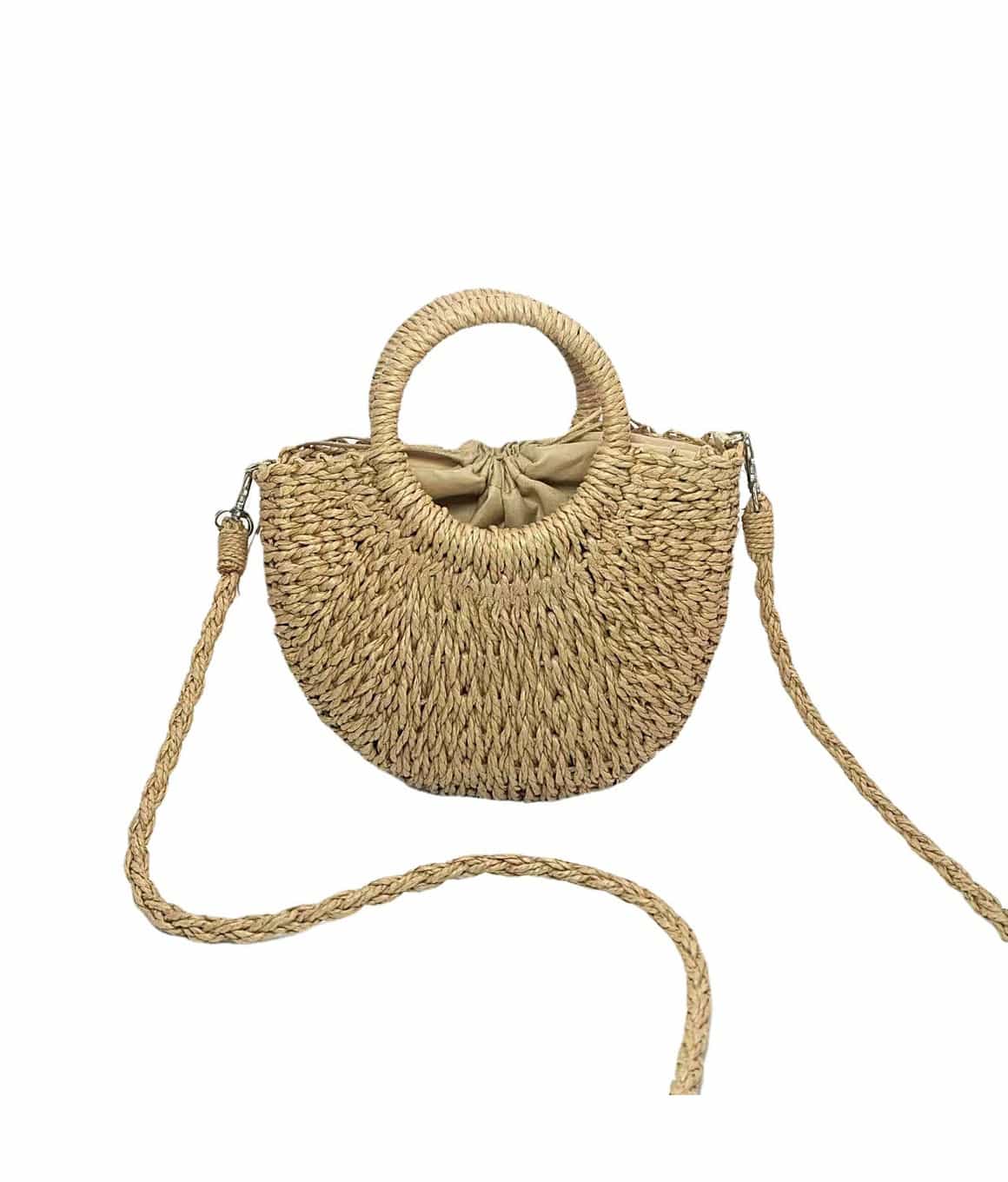
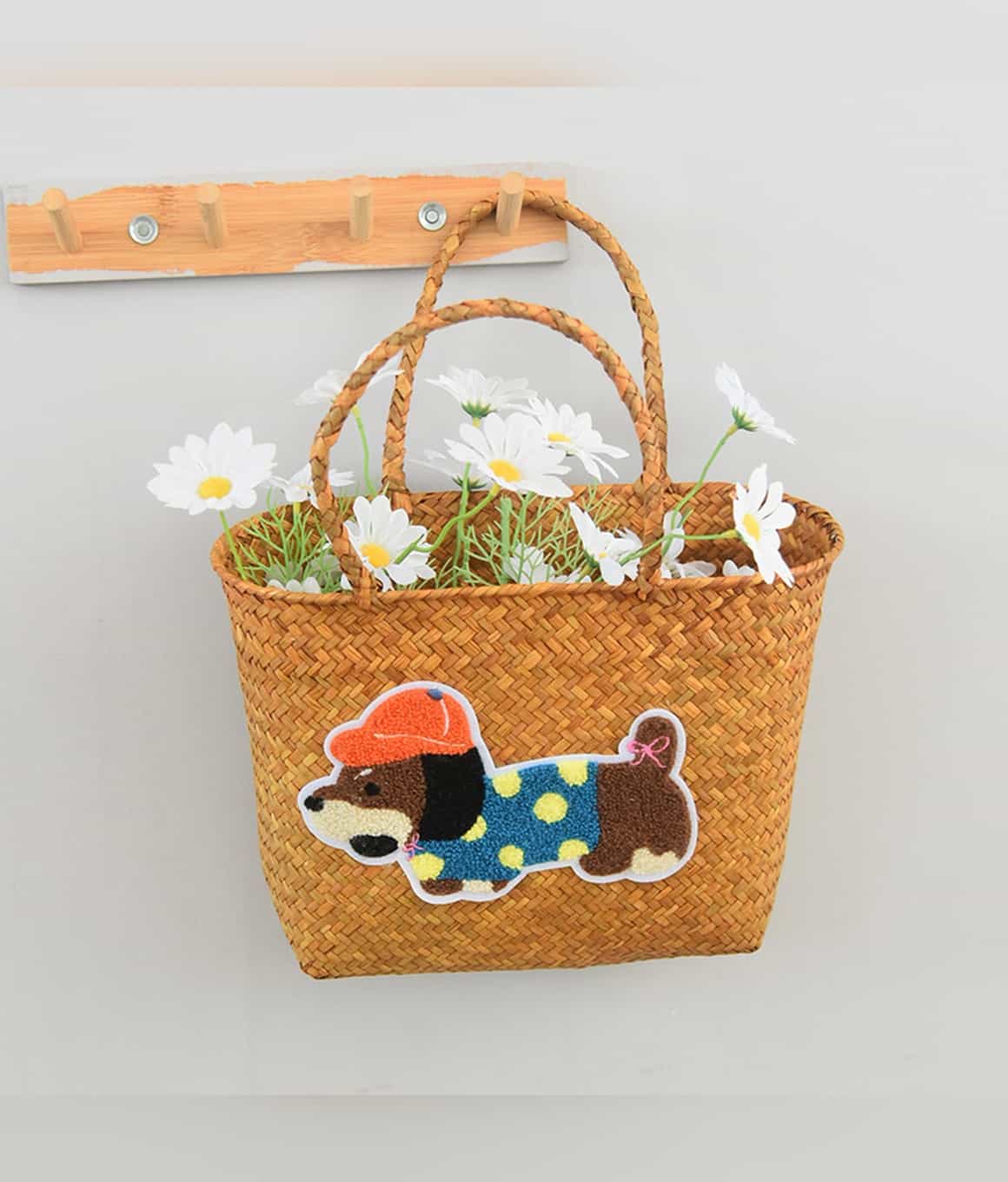
Straw (often raffia in fashion) is made from dried grain stalks or palm leaves. It is light, airy, and unbeatable for beach-season looks, but it is also the most fragile of the three. Straw fibers are hollow and brittle once dried, so they are more prone to splitting at stress points and to sagging when damp.
- Durability: Moderate. Best for occasional, dry, low-stress use.
- Moisture: The weakest point. Water can soften and distort straw quickly.
- Weight: The lightest option.
- Care: Keep away from moisture and heavy loads; store stuffed to preserve shape.
Straw is the right material when you want a bag that feels like summer in your hand. Its lightness and breathability make it perfect for a beach bucket bag or a casual tote for a farmers market. But straw has a shorter lifespan than bamboo or rattan, and it is not a material you want to carry in the rain. If you live somewhere humid or want a bag you can use daily year-round, bamboo or rattan will serve you better.
Direct comparison table
Here is the honest scorecard for the three materials across the factors that decide lifespan.
| Factor | Bamboo | Rattan | Straw / Raffia |
|---|---|---|---|
| Structural strength | Highest | High | Moderate |
| Water resilience | Good surface resistance | Keep dry | Weakest |
| Weight | Heaviest | Light | Lightest |
| Everyday durability | Excellent | Very good | Best for occasional wear |
| Typical bag types | Totes, structured shapes | Curved, rounded shapes | Beach and summer bags |
| Aging character | Warm patina over time | Softens into shape | Can become brittle |
| Eco credentials | Fast-renewable, biodegradable | Sustainable harvest | Renewable, biodegradable |
How these bags are made
The manufacturing process matters as much as the raw material. A handwoven bamboo bag starts with mature bamboo stalks that are split into thin strips, smoothed, and then woven by hand over many hours. Rattan is harvested from palm vines, soaked to make it pliable, and woven into shape while still damp. Straw and raffia are dried, sometimes dyed, and woven in a looser pattern that gives them their characteristic lightness. Each process requires skilled hands, which is why handwoven bags cost more than machine-made alternatives. That skilled handwork is also why they last: a tight, even weave distributes stress across the entire surface, while a machine-stitched bag concentrates stress at the seams.
Environmental impact
All three natural materials are more sustainable than synthetic alternatives, but they differ in their environmental footprint. Bamboo grows fastest and requires no replanting, making it the most renewable of the three. Rattan grows in tropical forests and its harvest can support forest conservation when managed sustainably. Straw and raffia are agricultural byproducts or fast-growing crops with low input needs. At end of life, all three biodegrade fully, unlike synthetic leather or nylon which persist in landfills for decades. Choosing a natural woven bag is one of the simplest ways to reduce the environmental impact of your accessories. For botanical background, see the Britannica overview of bamboo as a fast-growing grass and the Wikipedia entry on rattan describing how the palm grows and is harvested.
Which should you buy?
Match the material to your lifestyle rather than to a trend.
Choose bamboo for structure and longevity
If you want a structured everyday tote that survives commutes, travel, and seasons without losing its shape, bamboo is a strong answer. A handwoven tote holds its silhouette, shrugs off the knocks of daily life, and only looks better as the natural surface warms with age.
Choose cotton or macrame for year-round versatility
A cotton macrame bag works in every season and pairs with every outfit. The soft construction is comfortable to carry all day, and the material is the easiest to care for among natural fibers.
Choose raffia or straw for summer lightness
Raffia and straw are the right call for a beach bag or a casual tote for warm days. Keep them dry and they will reward you with that effortless summer look for several seasons.
Choose willow for evening elegance
A willow clutch brings a refined, artisan quality to evening and occasion dressing that synthetic materials cannot match.
Natural material vs vegan leather: a note
Shoppers comparing woven bags to synthetic leather should know the durability math favors the woven natural fiber for structure, while synthetic leather wins on water resistance. Our view is simple: a well-made handwoven bamboo or rattan bag, kept reasonably dry, will outlast most synthetic bags while being fully biodegradable at the end of its life. Synthetic leather peels, cracks, and ends up in landfill; bamboo and rattan return to the earth.
How to spot a quality woven bag
Whatever material you choose, quality matters enormously. Look for an even, tight weave with no gaps or loose strands. The handles should feel sturdy and reinforced, not fragile. Check the edges: they should be smooth and splinter-free. A good woven bag also has a lining that protects your belongings and a secure closure. These details separate a bag that will last years from one that falls apart in months.
Frequently asked questions
Is bamboo or rattan stronger?
Bamboo is stronger and stiffer; rattan is more flexible. For bags that must hold their shape under load, bamboo wins.
Can a straw bag get wet?
Avoid it. Straw is the most moisture-sensitive of the three and can distort permanently.
Which natural bag lasts the longest?
A handwoven bamboo bag generally lasts the longest thanks to the fiber's strength and water resistance.
Are bamboo bags eco-friendly?
Yes. Bamboo is a fast-renewable grass that requires no replanting and fully biodegrades.
Is rattan better than straw?
For durability, yes. Rattan is stronger and more moisture-resistant than straw, though straw is lighter and has a more casual summer look.
Can I repair a damaged woven bag?
Yes, especially bamboo and rattan. A skilled artisan can re-weave loose strands, which is one of the great advantages of handwoven bags over machine-made alternatives.
The bottom line
Buy bamboo for structure and longevity, cotton for year-round versatility, raffia or straw for light summer moments, and willow for evening elegance. Every Overvoy bag is hand-woven by artisans, so whichever fiber you choose, you are getting a piece built to be repaired and kept, not replaced. Explore the full collection to find the weave that fits your life.