How to Choose the Perfect Woven Bag: A Complete Buying Guide
The perfect woven bag is not the most expensive one or the trendiest one; it is the one that fits how you actually live. A bag you reach for daily beats a beautiful bag that stays on a shelf. This guide walks through every decision, from bag silhouette to natural material to the quality tells that separate a bag worth keeping from a novelty that will not last, so you can choose with confidence.
Step 1: Match the bag to your life
Before you look at materials or colors, be honest about how you will use the bag. A commuter who carries a laptop needs something entirely different from someone who wants a bag for weekend markets and dinners out.
- Everyday carry: Choose a tote or a roomy shoulder bag with a secure closure. It needs to handle a wallet, phone, keys, and a few extras without losing its shape.
- Hands-free days: A crossbody keeps essentials close while your hands stay free. Ideal for travel, festivals, and city days when you are on the move.
- Evenings and events: A compact clutch or small bag suits dinners, weddings, and nights out. It should hold your phone, card, and keys without bulging.
- Travel and weekends: A medium bag that fits under an airplane seat or swings from a suitcase handle. Durability matters here more than anywhere.
- Beach and summer: A roomy open tote that shrugs off sand and carries towels, sunscreen, and a good book.
Step 2: Choose the bag shape
Once you know how you will use it, the shape follows. Each silhouette has a distinct character and a different way of working.
The tote
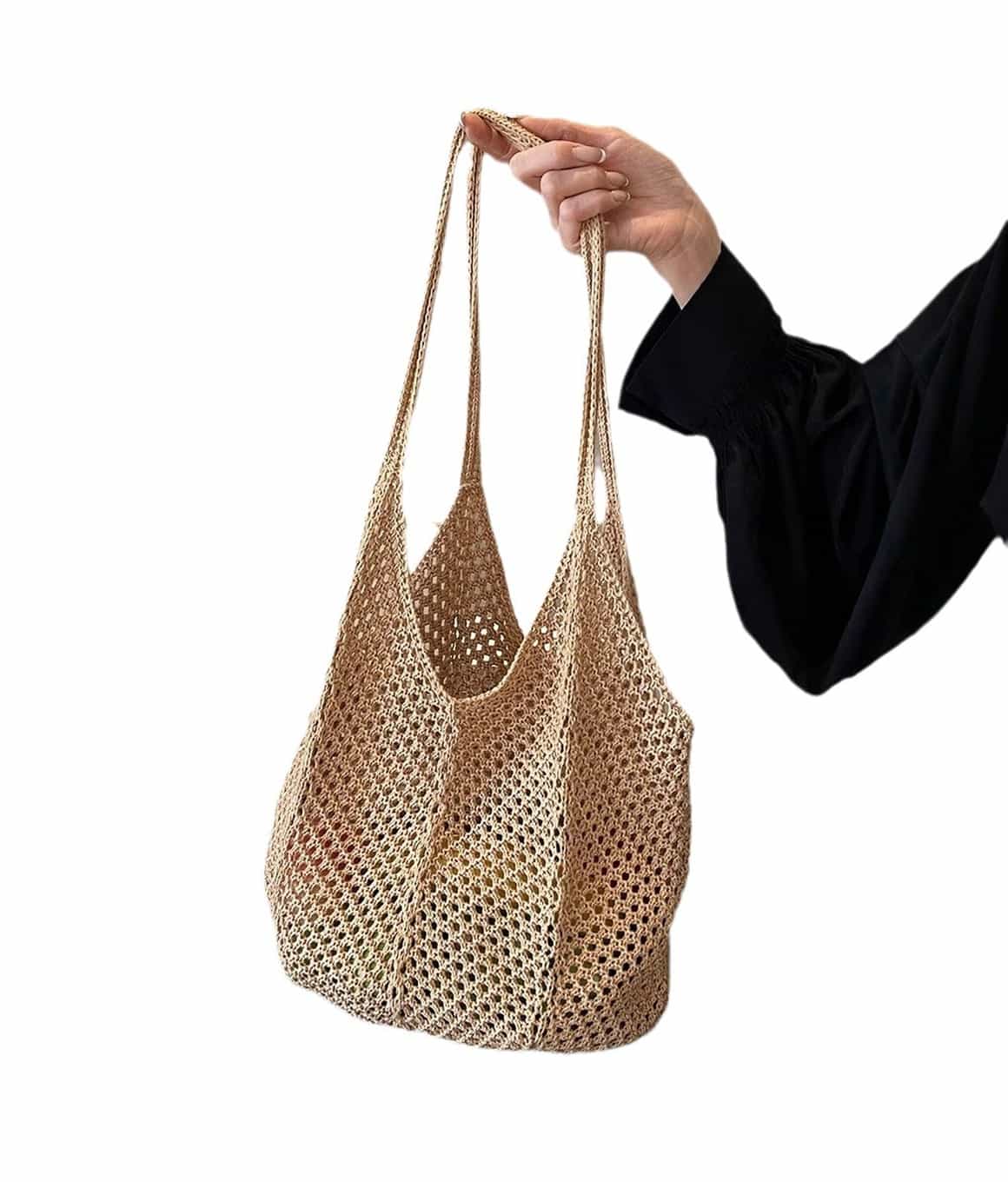
The most versatile woven shape. A tote carries more than it looks like it can, stands on its own, and transitions from market to office to beach. It is the best first woven bag for most people. A handwoven tote with reinforced handles can carry a laptop and a lunch without sagging, and the structured weave keeps it looking polished even when full.
The crossbody
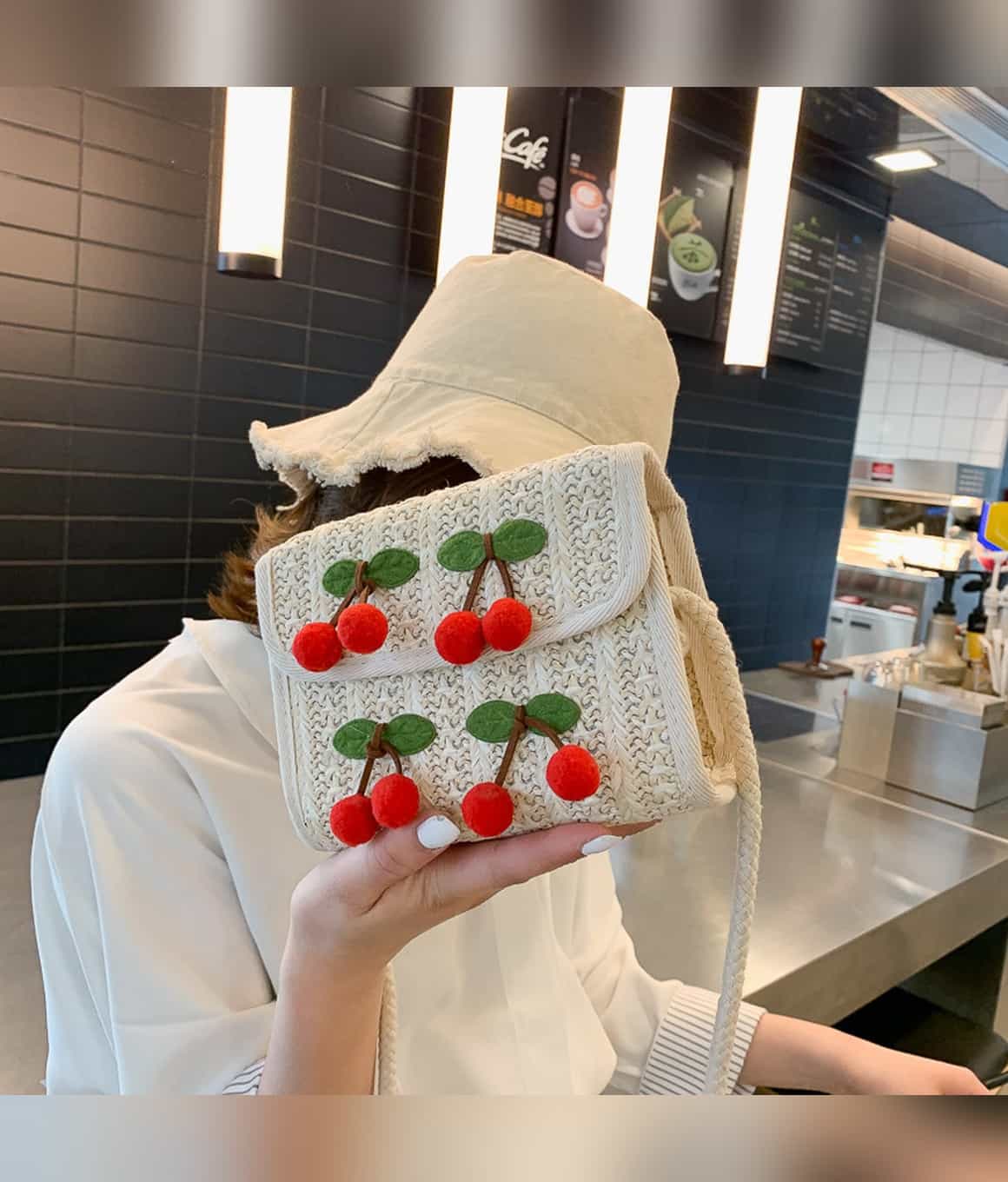
The practical choice. A crossbody keeps your valuables against your body and your hands free, which makes it ideal for travel, festivals, and city days. Look for an adjustable strap and a secure closure. A woven crossbody in bamboo or rattan adds natural texture to a simple outfit without sacrificing convenience.
The bucket bag
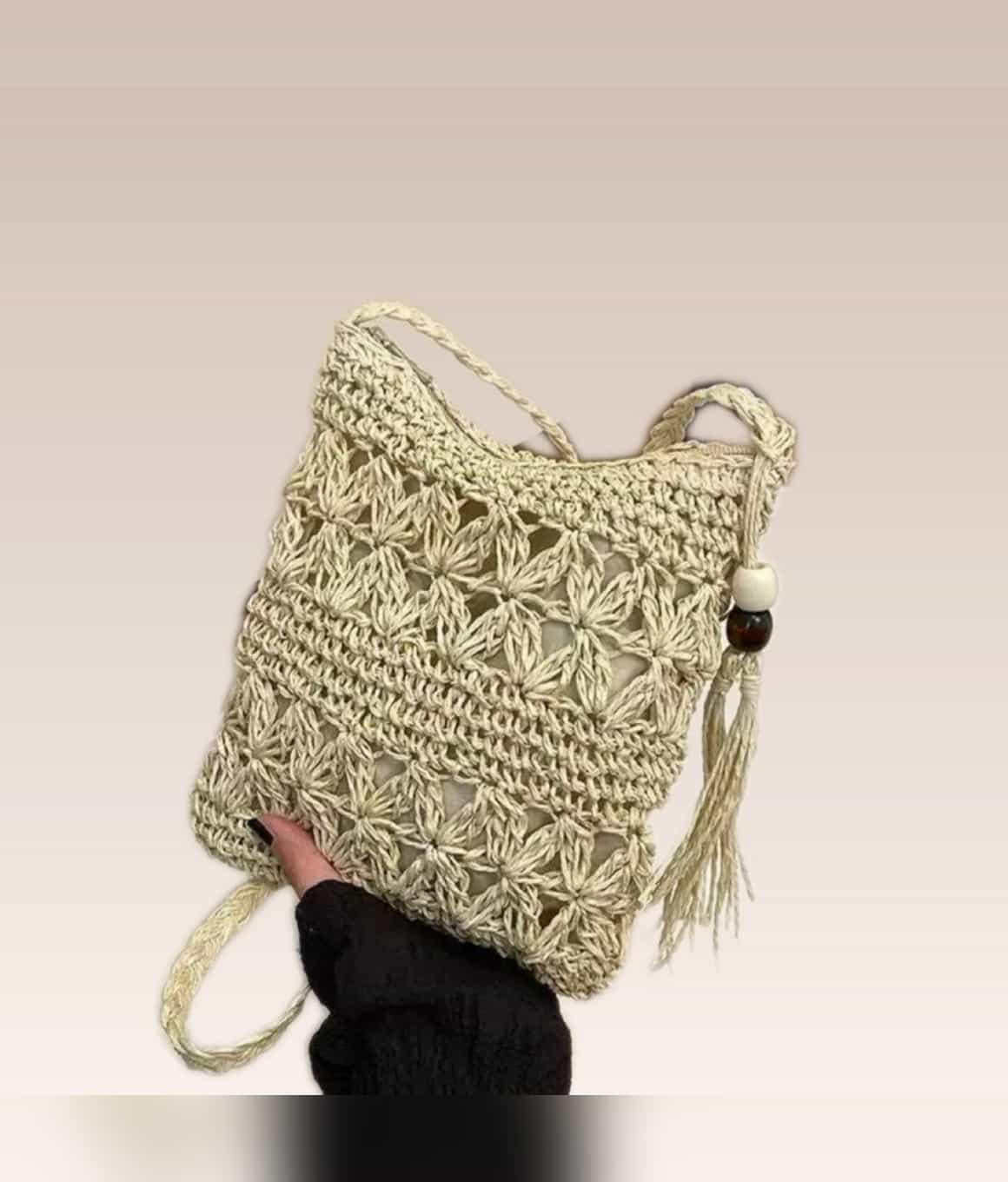
A relaxed, slouchy shape that holds a surprising amount. Bucket bags suit casual, boho-leaning style and are especially charming in natural woven materials. The rounded shape also makes them comfortable to carry against your hip.
The clutch
The evening option. A woven clutch reads as jewelry, adding texture and warmth to a simple dress. Choose a finer weave for a more polished, dressy finish. An evening clutch in bamboo is elegant enough for a wedding guest outfit.
The mini bag
The statement piece. A tiny woven bag holds the essentials, phone, card, keys, lip balm, and adds a charming accent to any outfit. It is a second bag, not a primary one, but it is the one that gets compliments. A mini bag is a great way to try woven bags without committing to a larger piece.
Step 3: Understand the materials
Woven bags are made from bamboo, rattan, straw, raffia, wicker, and paper rope, among others. The material decides durability, weight, and care, so it deserves real attention. As a rule:
- Bamboo and willow are the strongest and most structured, ideal for everyday totes you want to last for years. They develop a warm patina over time and are fully biodegradable.
- Cotton and macrame are soft and versatile, great for year-round bags that mold to your body and are easy to care for.
- Straw and raffia are light and airy, perfect for beach season but more delicate. Best for occasional use in dry conditions.
For a detailed comparison of how these materials age, see our guide to bamboo vs rattan vs straw bags.
Step 4: Get the size right
Woven bags look smaller in photos than they are in person, and nothing disappoints like a bag that cannot hold your phone. When you shop, check the dimensions against the items you carry daily. A useful rule is to test whether your phone, wallet, keys, and sunglasses fit without forcing the closure. If the bag has a structured shape like a tote, measure your laptop against the bag dimensions before buying. If it is a crossbody or clutch, make sure your phone fits in the main compartment, not just the pocket.
Step 5: Check the quality
Handwoven bags vary enormously in quality. Look for these signs of a well-made piece:
- Even, tight weave. Gaps, loose strands, or uneven tension signal shortcuts. The weave should be consistent across the entire surface.
- Clean edges. Strips should be smooth and splinter-free, especially around the rim and handles. Rough edges snag clothing and are uncomfortable to hold.
- Reinforced stress points. The handle roots and base corners should feel sturdy, not fragile. These are the first places a cheap bag fails.
- A secure lining and closure. A good liner protects your belongings from the natural weave and keeps small items from slipping through. A magnetic snap or zipper is more secure than an open top.
- Consistent color. Natural materials vary slightly, which is fine and beautiful, but the piece should look deliberate, not patchy.
- A return policy. A maker who stands behind their work offers returns. If a seller does not, that tells you something about their confidence in the product.
Step 6: Consider the planet
One of the strongest reasons to choose a woven natural bag is sustainability. Natural fibers are renewable, low-carbon materials that biodegrade at the end of their lives, and handwoven bags support artisan communities rather than factories. Choosing a bag built to last is itself an eco-friendly act, because the most sustainable bag is the one you keep. For an industry-wide view of preferred fibers and materials, see Textile Exchange. For more on the environmental story behind our materials, read our article on the craft of handweaving.
Step 7: Build a small collection
Most people need only two or three woven bags, not ten. A practical starting trio is a roomy tote for daily life, a crossbody for hands-free days, and a compact clutch for evenings. Add a beach bag or a mini bag only if your life genuinely calls for them. Quality over quantity is the rule here: one beautiful, well-made bag you use every day is worth more than five cheap ones that sit in your closet.
Common mistakes when buying a woven bag
Avoid these pitfalls to make sure you love your bag for years:
- Buying on looks alone. A gorgeous bag that does not fit your phone or hurts your shoulder is a waste. Always test function before falling for form.
- Ignoring the material. Not all woven bags are created equal. A straw bag and a bamboo bag may look similar in a photo, but they age very differently. Know what you are buying.
- Skipping the quality check. A loose weave or rough handle is not a minor flaw; it is a sign the bag will fail early. Inspect before you buy.
- Overbuying. Two or three well-chosen bags cover every occasion. Resist the urge to collect every shape and color.
- Forgetting care. Natural bags need a little attention. Read the care instructions before you use the bag, not after it cracks.
Frequently asked questions
What is the most durable woven bag material?
Bamboo and willow are the strongest and most structured natural fibers. They hold their shape under load and resist moisture better than straw or raffia.
Are woven bags in style?
Yes. Natural woven textures are a recurring favorite and read as elevated, intentional, and seasonless. They work in every decade and every climate.
How do I know a woven bag is well made?
Check for an even, tight weave, clean edges, reinforced handles, and a secure lining. Avoid bags with gaps, loose strands, or rough edges.
Can a woven bag be an everyday bag?
Absolutely. A well-made bamboo or rattan tote is strong enough for daily use with reasonable care. It will develop a patina that makes it more yours over time.
How much should I spend on a woven bag?
A quality handwoven bag costs more than a mass-produced one, but it lasts years longer. Think of it as cost per use: a bag you use every day for three years is cheaper per wear than a cheap bag that falls apart in one season.
Where should I buy a woven bag?
Buy from brands that are transparent about their materials and manufacturing. Look for information about where the bag is made, who made it, and what it is made from. Avoid sellers who cannot answer these questions.
The bottom line
Choose a woven bag by starting with your life, then the shape, then the material, then the quality. A handwoven tote that fits your daily routine, built with tight weave and reinforced handles, will be the bag you reach for every morning for years. That is the definition of the perfect woven bag.